


Poured-in-place (PIP) rubber surfacing has become one of the most common playground surfaces in the world. Parents and communities appreciate it because it’s colorful, durable, accessible, and helps cushion falls. But because the material is made partly from recycled tires, questions sometimes arise about chemical safety.
A 2018 technical review by public health researchers examined the available science to answer one main question: Do the chemicals in PIP playground surfacing pose a health risk to children? Their conclusion was reassuring — based on current research, no health risks were identified when the material is installed and maintained properly.

What is Poured-in-Place Rubber Made From?
A PIP surface has two main layers:
- Cushion base layer
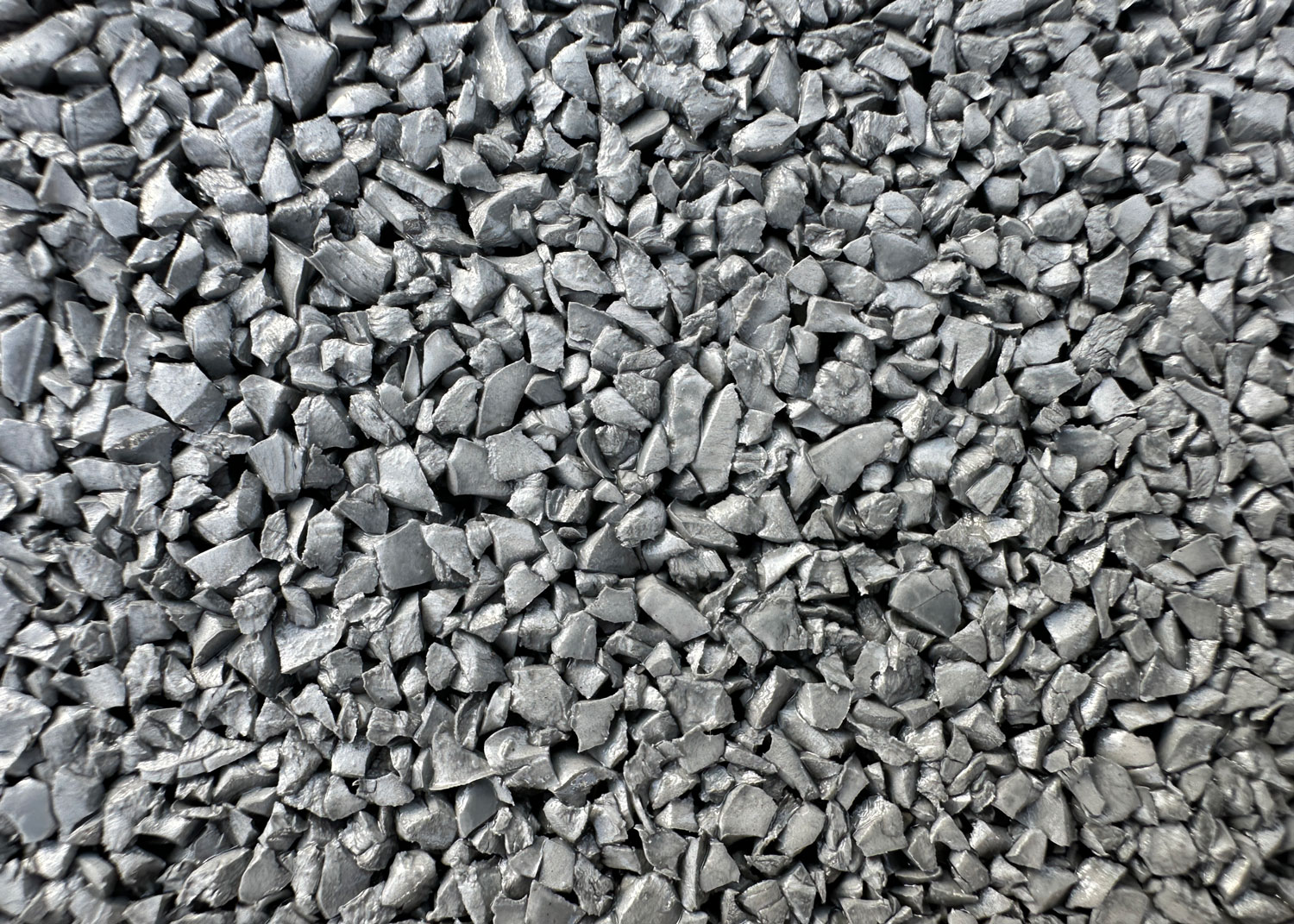
- The bottom layer is made from crumb rubber/buffings created from recycled tires. This layer provides shock absorption to reduce injury from falls.
- Protective top layer
- The top layer is made from synthetic rubber granules (EPDM or TPV) and sealed with a polyurethane binder. This layer acts as a barrier, preventing direct contact with the crumb rubber underneath.
Once cured, the materials are chemically bonded into a solid surface — they are not loose particles like the crumb rubber found in artificial turf infill.
What Chemicals Were Studied?
Tires contain small amounts of additives used in manufacturing, including:
- Polycyclic aromatic hydrocarbons (PAHs)
- Carbon black
- Synthetic silica
- Polyurethane binders
These substances can sound alarming in isolation, but the key issue is exposure. The review focused on how children might realistically come into contact with them — through touching the surface, inhaling air near it, or accidental ingestion.
The research found that when crumb rubber is bound inside a cured PIP surface, these substances are largely locked into the material and are not readily released in amounts that would pose a health risk.

How Does This Compare to Artificial Turf?
Most previous research on recycled tire rubber focused on artificial turf fields, where crumb rubber exists as loose infill. PIP playground surfaces are different:
- The rubber is bound into a solid layer
- It is sealed beneath a protective top coat
- It is not freely mobile or airborne
Because of this, exposure levels are considered significantly lower than in loose crumb rubber systems.
What Did Health Agencies Say?
The review looked at findings from multiple government and public health organizations, including:
- U.S. Environmental Protection Agency (EPA)
- Consumer Product Safety Commission (CPSC)
- World Health Organization (WHO)
- Canadian environmental authorities
Across these sources, no confirmed health risks were identified for properly installed PIP playground surfaces. However, researchers noted that continued long-term monitoring is valuable because scientific data on aging surfaces is still limited.
Maintenance Still Matters
Even though the material itself is considered safe, maintenance plays an important role. The protective top layer should be inspected and repaired if damaged so the base layer remains sealed. Basic hygiene practices — like washing hands after playground use — are always recommended for children, regardless of surface type.
The Bottom Line
Current scientific evidence indicates that poured-in-place rubber playground surfacing does not pose a health risk when installed and maintained correctly. The chemicals present in recycled tire rubber are bound within the finished product and are not available in amounts that would harm users.
Researchers recommend ongoing study to better understand long-term aging and wear, but based on available data today, PIP surfacing remains a widely accepted and safe choice for playground environments.