

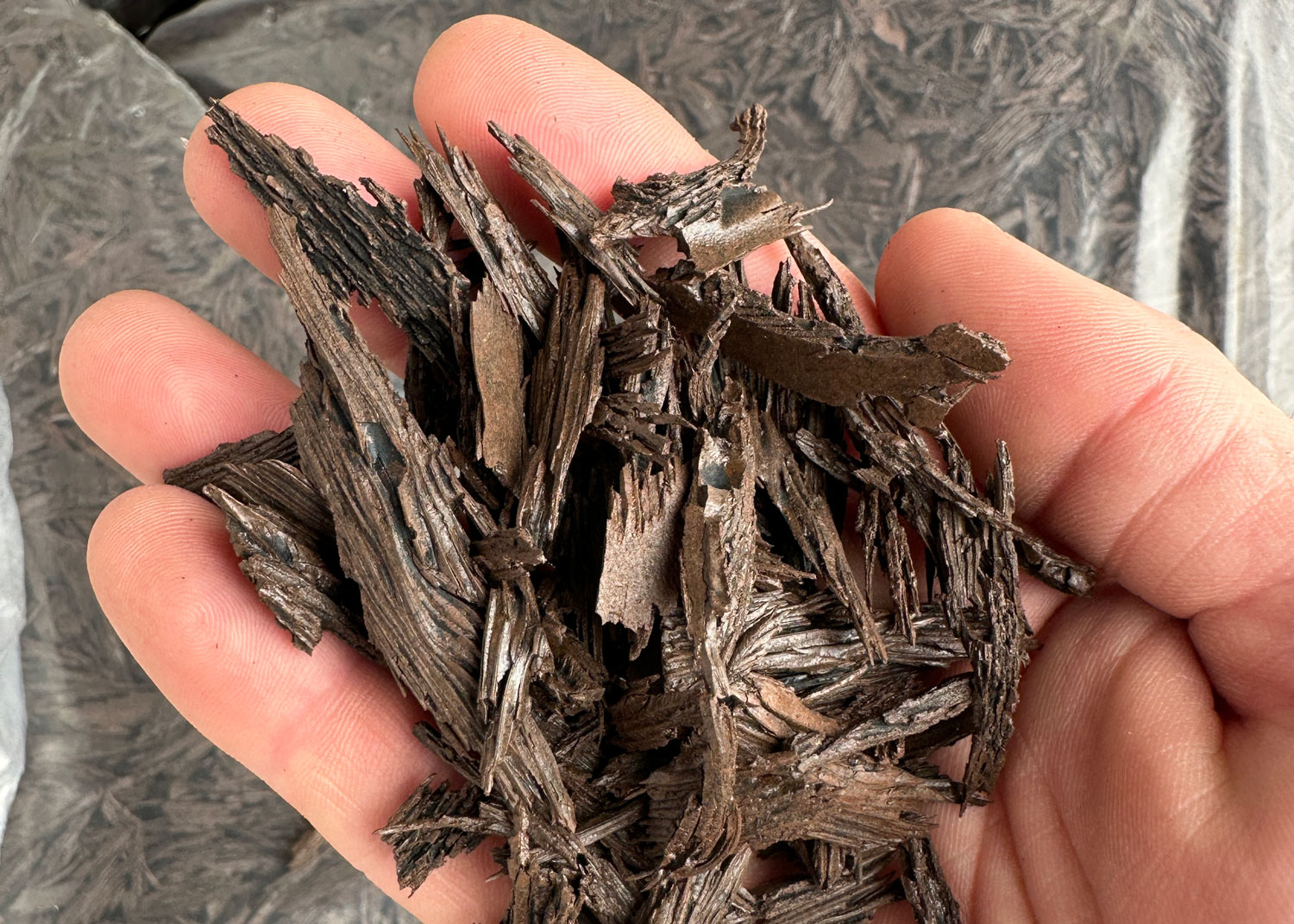
Caring for a Bonded Rubber Mulch surface is very similar to maintaining any Traditional PIP Rubber Surfacing poured-in-place rubber surfacing. The key distinction lies in its structure: Bonded Rubber Mulch consists of a single layer of shredded rubber, whereas Traditional PIP Rubber Surfacing poured-in-place surfaces are made of multiple layers.
This single-layer design means that if the bonded surface is damaged, there’s no second layer exposed underneath that might look different or unsightly. However, this doesn’t mean you can ignore early signs of wear. When you see granulation (loose particles forming on the surface), it’s time to act. If left unattended, small issues can quickly turn into holes requiring patching. The best approach is to rebind the surface immediately once granulation is visible.
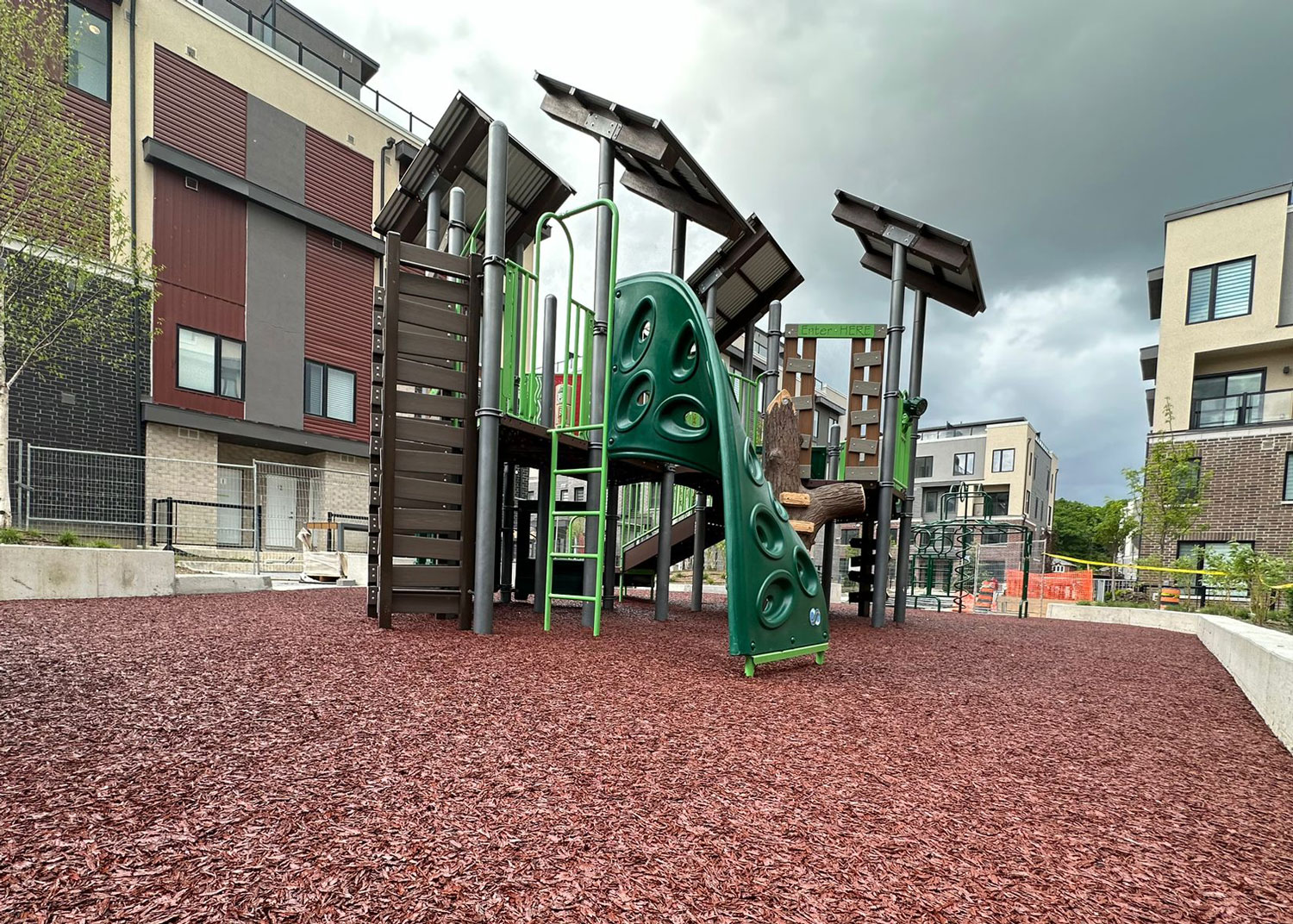
Rebinding: Bonded Rubber Mulch vs. Traditional PIP Rubber Surfacing
The main difference between maintaining bonded rubber and poured-in-place surfacing comes down to material consumption:
- Traditional PIP Rubber Surfacing Poured-in-place surfacing: A 5-gallon pail of rebinder typically covers up to 800 sq. ft.
- Bonded Rubber Mulch rubber surfacing: Because Bonded Rubber Mulch has larger pores, it absorbs more material. Expect to use nearly two pails to cover the same 800 sq. ft. area.
This means budgeting more product for Bonded Rubber Mulch surfaces is essential.
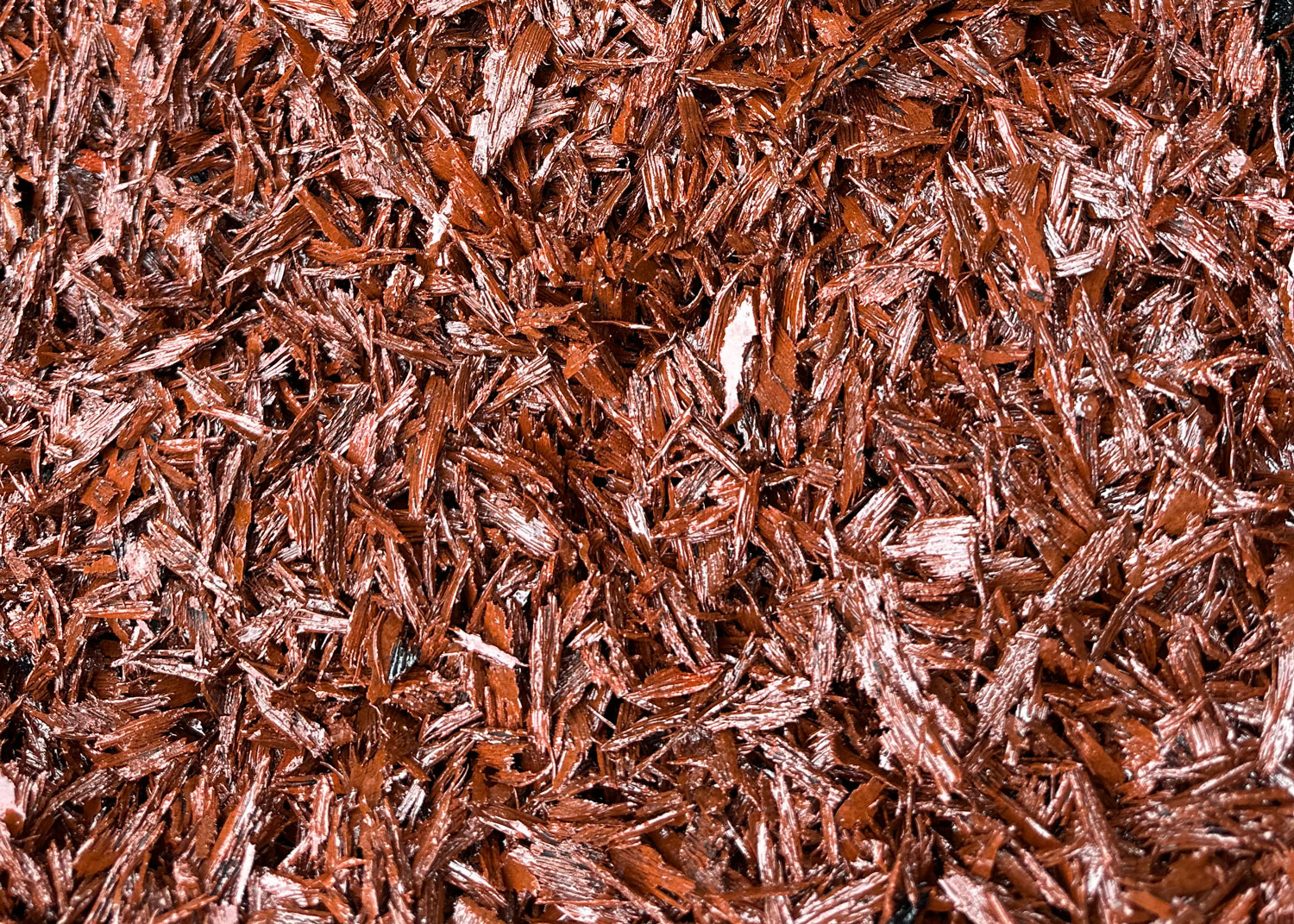
Step-by-Step Preparation for Rebinding
- Clear the surface thoroughly
-
Use a powerful leaf blower to remove loose granules, sand, and debris. You may need to go over the surface several times to ensure it’s completely clean.
-
Use a powerful leaf blower to remove loose granules, sand, and debris. You may need to go over the surface several times to ensure it’s completely clean.
- Check for dryness
- Make sure the surface is entirely dry. Any moisture can prevent the sealer from adhering properly.
- Make sure the surface is entirely dry. Any moisture can prevent the sealer from adhering properly.
- Pick the right day
- Choose a dry day with temperatures above 50°F (10°C). Attempting to roller coat in colder or damp conditions will compromise the results.
Final Thoughts
Bonded Rubber Mulch rubber surfaces are durable, but like any playground surfacing, they require timely maintenance. By rollercoating at the first signs of granulation, you can extend the life of your playground, keep it looking clean, and—most importantly—ensure a safe play environment for children.