

If you’ve worked around poured-in-place (PIP) playground surfacing, running tracks, or athletic rubber systems, you’ve probably heard the term “SBR buffings.” At Playpave, we get this question a lot—especially from owners and landscape partners who want to understand what’s actually going under the color layer.
Here’s the clear, job-site reality: SBR buffings are most commonly used in the base/cushion layer of playground safety surfacing systems, and in some systems they can also be used in the wear/top layer depending on the design, finish, and project requirements.
What “SBR” and “Buffings” Mean
SBR stands for Styrene-Butadiene Rubber—a durable rubber commonly sourced from recycled tire material. “Buffings” are the fiberous rubber particles created during the tire retreading process, where old tread is removed (“buffed off”) before a tire is retreaded. Those particles are collected and processed into consistent surfacing material.
Why SBR Buffings Are Used in Playground Bases
In playground PIP systems, the base layer is doing the heavy lifting: it provides impact attenuation, manages energy absorption, and helps deliver safer fall protection when installed at the correct thickness. SBR buffings are a popular base material because they provide:
- Excellent shock absorption and impact resistance for safety-critical areas
- Elasticity and rebound, which supports long-term performance under foot traffic
- Cost-effective volume, making it practical for thicker cushion layers
Are SBR Chunks/Granules an Option for Playground Bases too?
Sometimes—yes. While varying in size, and more uniform ‘Chunks/Granules’ can be used a substitute to buffings. The granules typically do not perform as well as the buffings for Impact Attenuation at the same thickness on playgrounds. It can be argued there are environmental benefits to using SBR Chunks and granules instead because it required more lbs of recycled material per square foot to meet safety standards on a playground.
Buffings systems are more reliable overall, in some ways harder to install for the team. However the Granules/Chunk systems are an alternative, but with different considerations to the installation methods.
SBR Buffings vs. SBR Granules/Chunks (Quick, Practical Difference)
A simple way to think about it:
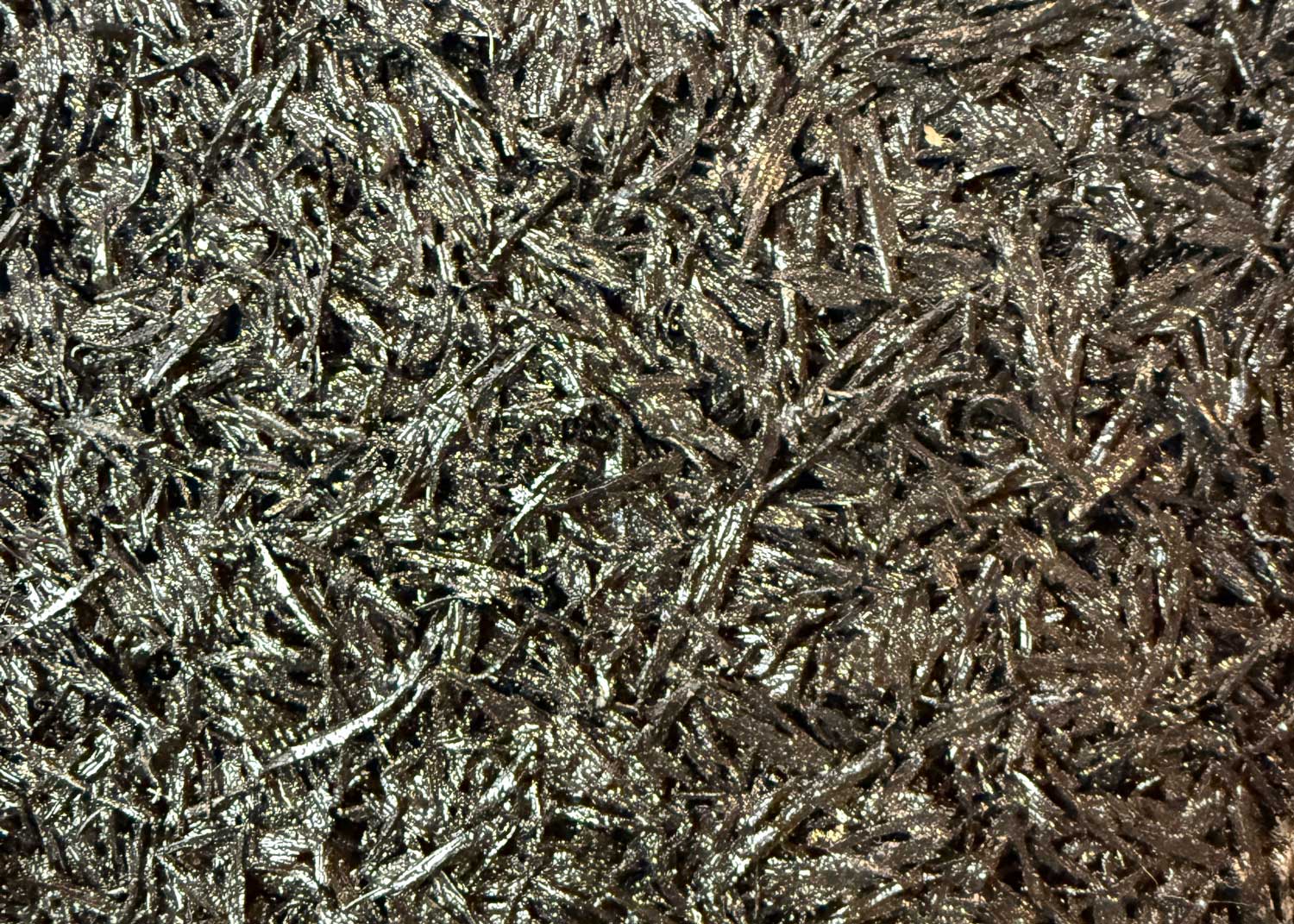
SBR Buffings
Fiberous rubber particles from the retreading buffing process; commonly used in base coats.
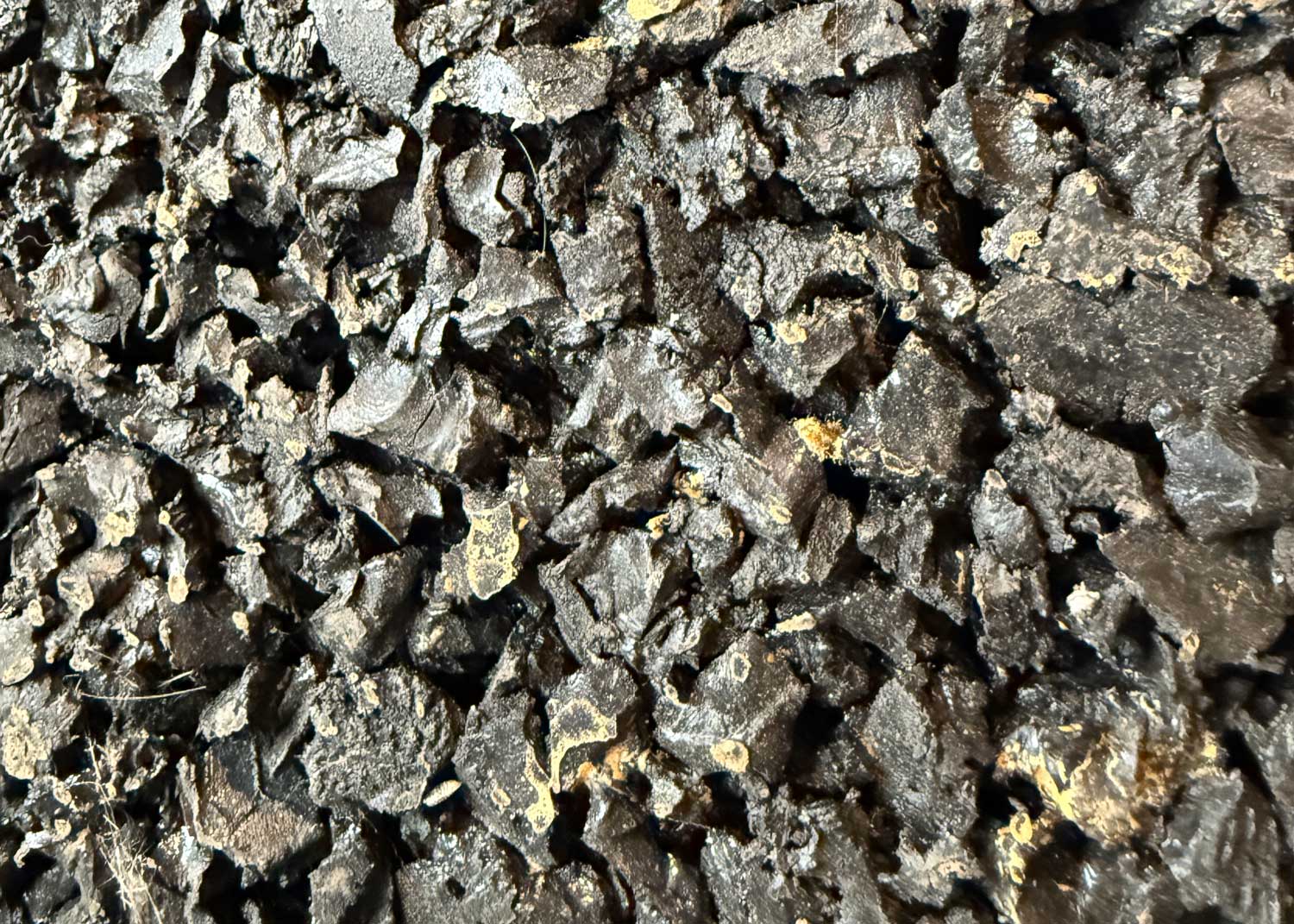
SBR Chunks
Typically larger, more uniformly sized particles; commonly used for infill
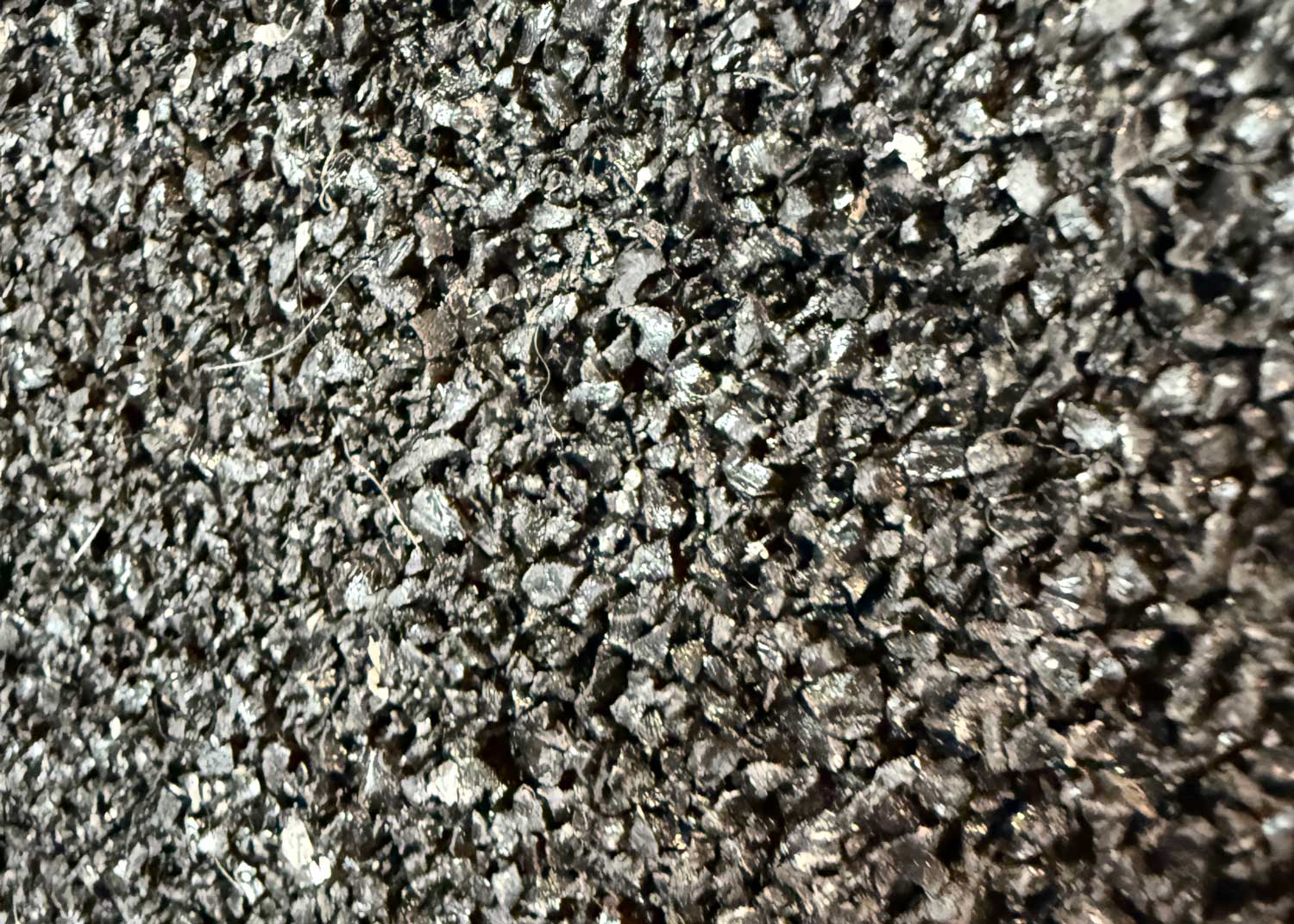
SBR Granules
Smaller and more uniform in size than Chunk. Utilized in artificial sports fields infill, mixed with colored EPDM for top cap layer, and utilized in base layers too.
Why This Matters for Your Project
If you’re comparing bids or reviewing submittals, understanding what’s specified in the base layer matters just as much as the color on top. The base material—and the correct binder ratio, thickness, and installation conditions—plays a major role in how a surface performs over time.